


Green Building in California: What Title 24 Actually Requires
Updated: Oct 10
So, you’re thinking about going green with your next building project? Whether you’re sprucing up your home, managing a commercial property, or diving into a DIY adventure, green building practices are your ticket to a smarter, more sustainable space. But where do you start? Don’t worry, you’re in the right place. This guide will walk you through everything you need to know to make your project eco-friendly, efficient, and downright impressive.
Why Green Building Practices Matter More Than Ever
Let’s face it: the world’s changing fast, and so should the way we build. Green building practices aren’t just a trendy buzzword—they’re a necessity. By adopting these methods, you’re not only reducing your carbon footprint but also saving money on energy bills, improving indoor air quality, and boosting your property’s value. Sounds like a win-win, right?
Here’s the deal: traditional construction often wastes resources and energy. Green building flips that script by focusing on energy efficiency, sustainable materials, and smart design. Imagine a home that stays cool in the summer without cranking the AC or a commercial space that uses daylight to cut down on electricity. That’s the power of green building.
Key Benefits You’ll Love
Lower utility bills thanks to energy-efficient appliances and insulation
Healthier living and working environments with better air quality and natural light
Reduced environmental impact by using recycled and renewable materials
Increased property value because green buildings are in high demand
Compliance with local regulations and potential tax incentives in places like Los Angeles and Riverside County
Essential Green Building Practices You Can Use Today
Ready to roll up your sleeves? Here are some practical green building practices that you can start implementing right now.
1. Choose Sustainable Materials
Think beyond just wood and concrete. Sustainable materials like bamboo, reclaimed wood, recycled metal, and low-VOC (volatile organic compounds) paints make a huge difference. They reduce waste and pollution while giving your project a unique, eco-friendly flair.
Bamboo flooring is durable and grows quickly, making it a fantastic alternative to hardwood.
Recycled steel can be used for framing, cutting down on mining and energy use.
Low-VOC paints and finishes improve indoor air quality by reducing harmful fumes.
2. Optimize Energy Efficiency
Energy efficiency is the heart of green building. Here’s how you can make your space energy-smart:
Install LED lighting: They use up to 75% less energy than traditional bulbs and last longer.
Upgrade insulation: Proper insulation keeps your space warm in winter and cool in summer, slashing heating and cooling costs.
Use energy-efficient windows: Double or triple-pane windows with low-emissivity coatings reduce heat transfer.
Incorporate smart thermostats: These devices learn your schedule and adjust temperatures automatically, saving energy without sacrificing comfort.
3. Harness Renewable Energy
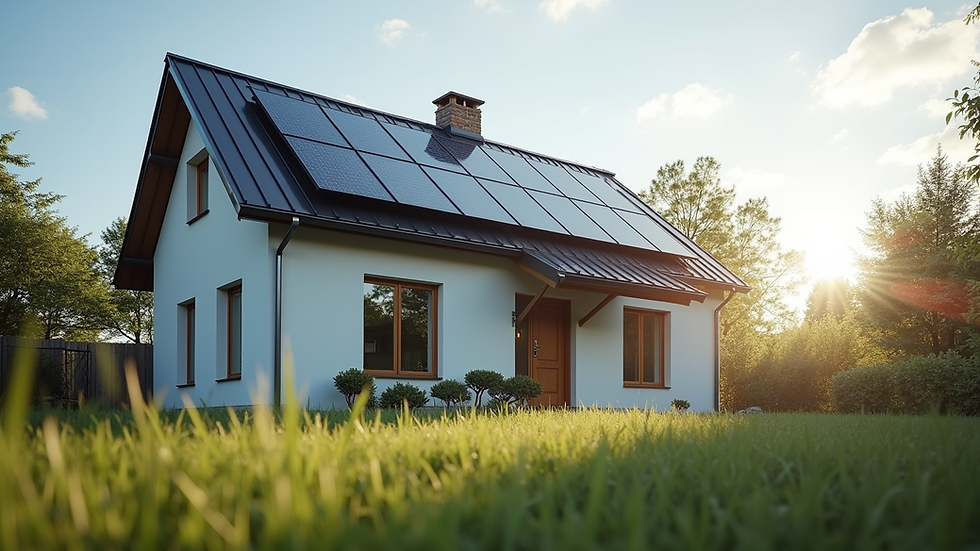
Why not power your building with the sun? Solar panels are becoming more affordable and efficient, especially in sunny regions like Southern California.
Solar photovoltaic (PV) systems convert sunlight into electricity, reducing your reliance on the grid.
Solar water heaters use the sun’s energy to heat water, cutting down on gas or electric water heating.
Wind turbines might be an option if your property has enough space and wind exposure.
4. Manage Water Wisely
Water conservation is a big deal, especially in drought-prone areas like Los Angeles and Riverside County.
Install low-flow faucets and showerheads to reduce water use without sacrificing pressure.
Use rainwater harvesting systems to collect and reuse rainwater for irrigation.
Choose drought-resistant landscaping to minimize outdoor water needs.
Implement greywater recycling to reuse water from sinks and showers for toilets or irrigation.
5. Design for Natural Light and Ventilation
Good design can reduce your need for artificial lighting and mechanical cooling.
Position windows and skylights to maximize daylight.
Use light shelves and reflective surfaces to bounce natural light deeper into rooms.
Incorporate cross-ventilation by placing windows and vents strategically to encourage airflow.
Consider green roofs or walls to insulate and cool your building naturally.
How to Navigate Permits and Regulations in Southern California
Building green isn’t just about picking the right materials and designs. You’ve got to play by the rules, especially in places like Los Angeles, Temecula Valley, and Riverside County. These areas have specific codes and incentives that can help or hinder your project.
Know Your Local Building Codes
Each city or county has its own set of building codes that include energy efficiency and environmental standards. For example:
California’s Title 24 mandates strict energy efficiency requirements for new buildings and renovations.
Local jurisdictions may require green building certifications like LEED or CALGreen compliance.
Take Advantage of Incentives
Good news: there are plenty of rebates and tax credits for green building projects in Southern California.
Solar Incentives: Programs like the California Solar Initiative offer rebates for installing solar panels.
Energy Efficiency Rebates: Utility companies often provide discounts on energy-efficient appliances and upgrades.
Water Conservation Grants: Some local agencies support water-saving installations.
Work with Professionals Who Know the Ropes
Navigating permits and regulations can be tricky. Hiring a contractor or handyman familiar with local green building codes can save you time, money, and headaches. They’ll help you avoid costly mistakes and ensure your project meets all legal requirements.
Tools and Resources to Help You Build Green
You don’t have to go it alone. Tons of tools and resources are available to guide you through your green building journey.
Online Calculators and Apps
Energy Star Portfolio Manager: Track your building’s energy use and compare it to similar properties.
Home Energy Saver: Get customized recommendations for energy-saving upgrades.
Green Building Studio: Software that models energy consumption and helps optimize designs.
Certification Programs
LEED (Leadership in Energy and Environmental Design): A globally recognized green building certification.
WELL Building Standard: Focuses on health and wellness in building design.
Living Building Challenge: The most rigorous green building certification, aiming for net-zero energy and water.
Educational Materials
If you want to dive deeper, check out the green building handbook for detailed guides, case studies, and expert tips. It’s a treasure trove of information for anyone serious about sustainable construction.

Making Your Green Building Project a Reality
Alright, you’ve got the know-how, the tools, and the motivation. Now, how do you turn all this into a successful project?
Start with a Clear Plan
Define your goals: energy savings, water conservation, indoor air quality, or all of the above.
Set a budget that includes green upgrades—you might spend a bit more upfront but save big in the long run.
Choose materials and systems that fit your climate and lifestyle.
Partner with the Right Pros
Look for contractors, architects, and handymen who specialize in green building practices. They’ll bring expertise and creativity to your project, ensuring it’s both beautiful and sustainable.
Monitor and Maintain
Green building isn’t a one-and-done deal. Keep an eye on your energy and water use, maintain your systems, and make adjustments as needed. This ongoing care will maximize your investment and keep your space healthy and efficient.
Spread the Word
Once your project is complete, share your experience with neighbors, friends, and online communities. You’ll inspire others to join the green building movement, making your community a little greener, one building at a time.
Green building practices are more than just a trend—they’re a smart, responsible way to build for the future. Whether you’re tackling a small home renovation or managing a large commercial property, these strategies will help you create spaces that are good for you, your wallet, and the planet. Ready to get started? Dive into the green building handbook and take the first step toward a greener tomorrow.
If you are weighing work like this on your own property, the cheapest step is the first conversation. Book a free 15-minute call or call (323) 707-4979 and get a straight read on the scope, from a licensed Class B general contractor building in Southern California since 1996.
There is usually a video for this. X Plan Nation is our construction channel on YouTube, run by the same team that would build your project and made to explain the trades to the person paying for them.
The Ultimate Pro, Inc. · California contractor license 831700 · Class B general building · 18481 Grand Avenue, Lake Elsinore, CA 92530 · Serving Los Angeles County, Orange County, Riverside County, San Bernardino County and the Inland Empire since 1996.


Comments